How does exercise help with the treatment of cancer?
Each year, around 134,000 Australians are diagnosed with some form of cancer. In addition, over 1 million people have either had cancer or are currently living with it. Recent studies show that exercise can enhance cancer outcomes, improve quality of life, and alleviate treatment side effects.

Cancer treatments include radiation therapy, chemotherapy, hormone therapy, immunotherapy, and surgery. The Cancer Council now strongly advises incorporating exercise before, during, and after cancer treatment.
What type of exercise and how does it help?
Exercise offers numerous benefits to cancer patients, including:
Lower risk of developing heart-related issues after chemotherapy or radiation
Prevents muscle and bone loss due to cancer treatments
Helps reduce lymphedema
Enhances mental health
It is recommended to engage in 3 sessions of 30-60 minutes of aerobic exercise each week. Aerobic exercises include:
Brisk walking
Cycling
Swimming
Using an elliptical machine
Rowing
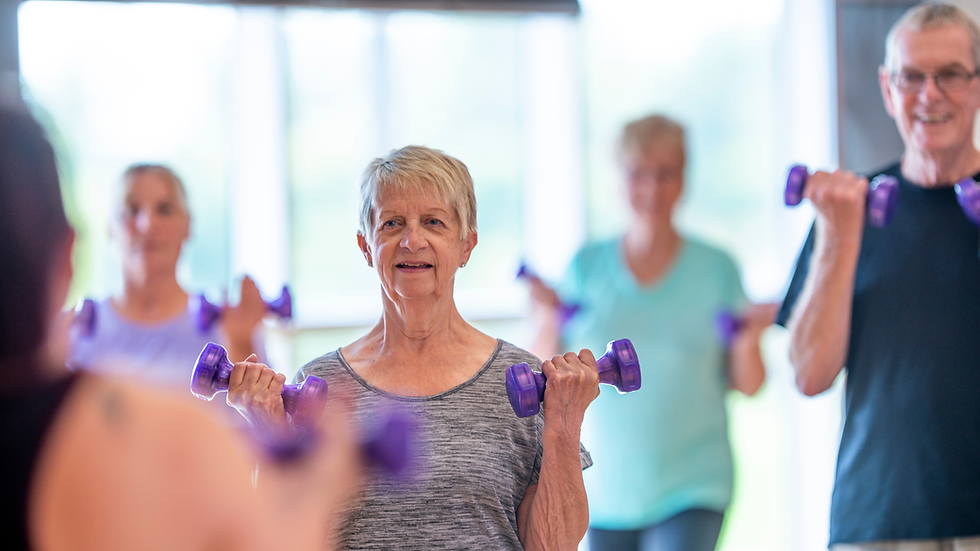
It is also advised to perform resistance training twice a week for 60 minutes. Resistance training can involve weights, resistance bands, or bodyweight exercises. The goal is to aim for 8-10 exercises with 8-15 repetitions, although this is general guide.
Conclusion
In conclusion, exercise is a key factor in improving outcomes for cancer patients. It helps reduce treatment side effects, supports heart health, prevents muscle and bone loss, and boosts mental well-being. The Cancer Council recommends incorporating exercise before, during, and after treatment to enhance recovery and quality of life.
Blog by Harrison Brown


Parkinson’s disease is such a difficult condition, and when my husband was diagnosed, it was heartbreaking for our whole family. Watching someone you love face the challenges of Parkinson’s is never easy, and we wanted to find additional support for him.Our family doctor recommended that we look into NaturePath Clinic, so we decided to learn more about their herbal program. From the beginning, we appreciated the care, kindness, and support we received throughout the process.I’m sharing our experience because I know how difficult it can be to find support when someone you love is living with Parkinson’s. Every family’s experience is different, but we are grateful for the encouragement and support NaturePath Clinic has provided to our family. ❤️
If…
My 68 year old Husband who suffered from muscle tiredness brought on by chronic fatigue in its early stages. Neurologists first had difficulty diagnosing it until multiple examinations indicated MSA, for which there was no known cure other than the prescription of levodopa medications, vitamins, and therapies. More advancements in breathing difficulties, before we made the decision to try different medications, which significantly enhanced his condition. He received MSA-5 treatment for MSA at Limitlessnaturalwellness.com from the U.S approximately four months ago; since then, he sleeps well, works out frequently, and has become very active. it has improved his quality of life. .
I was diagnosed with Parkinson’s disease four years ago. For over two years, I relied on Levodopa and several other medications, but unfortunately, the symptoms kept getting worse. The tremors became more noticeable, and my balance and mobility started to decline quickly. Last year, out of desperation and hope, I decided to try a herbal treatment program from NaturePath Herbal Clinic.
Honestly, I was skeptical at first, but within a few months of starting the treatment, I began to notice real changes. My movements became smoother, the tremors subsided, and I felt steadier on my feet. Incredibly, I also regained much of my energy and confidence. It’s been a life-changing experience I feel more like myself again, better than I’ve…