Why is strength training essential for older adults?
From around age 30, adults gradually lose muscle mass in a process known as Sarcopenia. After about age 60-70 years, adults can lose 3-8% of muscle mass per decade, and this rate increases with age. This loss of muscle mass can affect balance, mobility, and the ability to perform daily tasks.
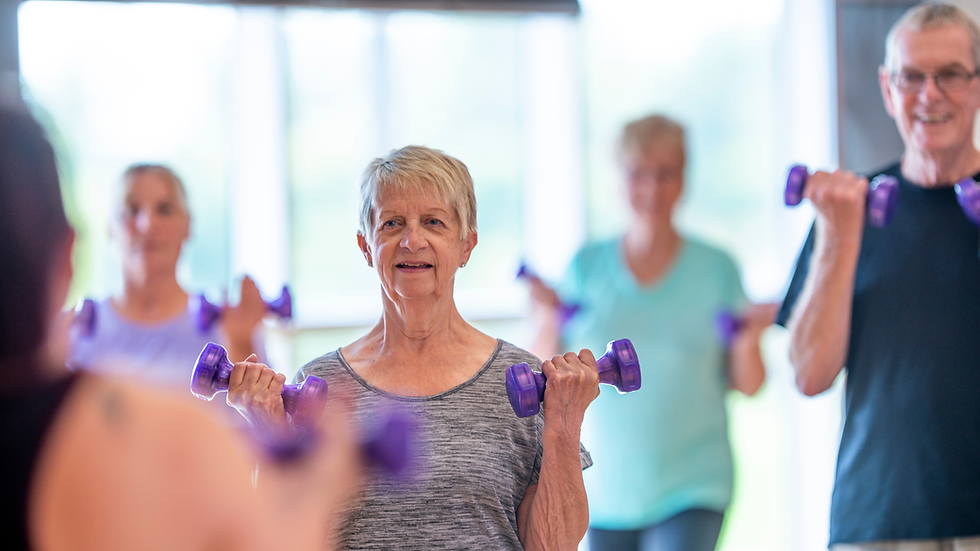
Strength training is essential to counteract this process by:
1. Preventing muscle loss (sarcopenia) Strength training helps maintain and rebuild muscle, which is critical for everyday activities like standing up from a chair, climbing stairs, and carrying groceries.
2. Reducing risk of falls Lower body strength plays a major role in balance and stability. Strength training improves the muscles used for walking, stepping, and reacting to trips, which can significantly reduce fall risk.
3. Maintaining independence Functional movements such as sit-to-stand, walking, and getting up from the floor rely heavily on leg and hip strength. Maintaining strength allows older adults to continue living independently and performing daily tasks safely.
4. Supporting bone health Resistance exercise places controlled stress on bones, which stimulates them to stay strong. This can help slow the progression of osteoporosis and reduce the risk of fractures.
5. Help to manage chronic conditions Strength training can improve symptoms and function in many common age-related conditions, including; arthritis, chronic low back pain, diabetes and cardiovascular disease.
6. Improving confidence and quality of life As strength improves, many older adults experience better posture, improved mobility, and greater confidence in movement, which often reduces fear of falling and encourages a more active lifestyle.
One of the most encouraging findings in exercise science is that muscles respond to strength training at any age. Far from being “too late”, your older adult years can be one of the most crucial and beneficial times to start strength training. Whether your goal is staying independent, preventing falls, or simply feeling stronger in everyday activities, strength training can make a profound difference. Blog by Rachael Laurenson


Parkinson’s disease is such a difficult condition, and when my husband was diagnosed, it was heartbreaking for our whole family. Watching someone you love face the challenges of Parkinson’s is never easy, and we wanted to find additional support for him.Our family doctor recommended that we look into NaturePath Clinic, so we decided to learn more about their herbal program. From the beginning, we appreciated the care, kindness, and support we received throughout the process.I’m sharing our experience because I know how difficult it can be to find support when someone you love is living with Parkinson’s. Every family’s experience is different, but we are grateful for the encouragement and support NaturePath Clinic has provided to our family. ❤️
If…
My 68 year old Husband who suffered from muscle tiredness brought on by chronic fatigue in its early stages. Neurologists first had difficulty diagnosing it until multiple examinations indicated MSA, for which there was no known cure other than the prescription of levodopa medications, vitamins, and therapies. More advancements in breathing difficulties, before we made the decision to try different medications, which significantly enhanced his condition. He received MSA-5 treatment for MSA at Limitlessnaturalwellness.com from the U.S approximately four months ago; since then, he sleeps well, works out frequently, and has become very active. it has improved his quality of life. .